Daily Supplement Routines
Building a Daily Vitamin D and Magnesium Routine
Marcus Webb
·
·
9 min read
Among the supplement stacking habits most closely associated with recovery-focused nutritional awareness in active men, two nutrients appear with consistent frequency in the editorial records reviewed for this article: omega-3 fatty acids, commonly documented in fish oil capsule form, and zinc, typically appearing as zinc gluconate, zinc citrate, or zinc picolinate. Their co-occurrence in the same stack reflects a shared orientation toward the post-activity dimension of nutritional awareness — the part of the daily supplement record that addresses what the body requires after exertion, rather than before or during it.
This article documents the patterns observed in how active men in Indonesia are approaching omega-3 and zinc within their supplement stacks. The editorial perspective is observational. The Dispatch records and contextualises what is found in the supplement habits of active men; it does not issue individual nutritional recommendations. Readers with specific concerns are encouraged to speak with a qualified wellness professional.
Omega-3 fatty acids — specifically the EPA and DHA forms found in fish oil — represent one of the most consistently documented supplements across the men's nutritional records reviewed in this editorial series. Their appearance is not confined to recovery-focused stacks: they are found across stacks oriented toward daily health maintenance, cardiovascular awareness, and general nutritional completeness. But their most frequent association, in the records observed, is with recovery-conscious practitioners — men for whom the post-activity dimension of their daily nutritional awareness is explicitly addressed.
The form of omega-3 supplementation documented in the records is almost universally fish oil capsule — a practical choice that reflects both availability and the established body of published nutritional research, which is predominantly associated with marine-sourced omega-3 rather than plant-based alternatives. Algae-based omega-3 appears in the records of a smaller but growing subset of men, typically those whose dietary patterns exclude fish-derived products.
Published nutritional research records omega-3 fatty acids' contribution to cardiovascular and overall systemic health, and their role in supporting the body's natural inflammatory response after physical activity. The editorial observation from the Dispatch's review of this literature is that the recovery-associated dimension of omega-3 is among the most documented aspects of its nutritional profile — a fact that is reflected in how it is described by the men who include it in their stacks.

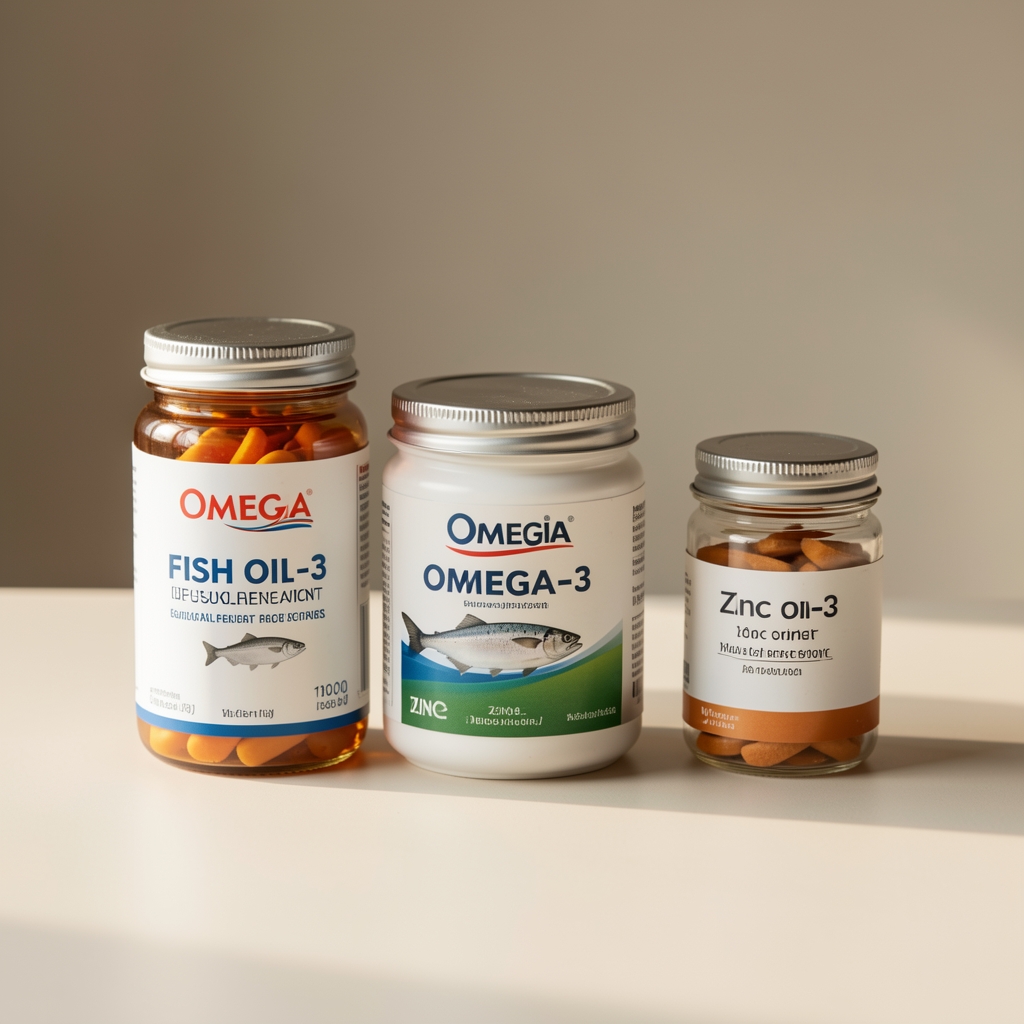
Fig. 1 — Fish oil daily supplements documented in a Jakarta-based active lifestyle recovery stack review.
Zinc occupies a specific and well-documented position in men's nutritional awareness. Its presence in the supplement stacking records reviewed here is associated primarily with two contexts: immunity support and the post-activity recovery dimension of active lifestyle nutrition. Of these, immunity is the more commonly cited rationale in the records — a pattern that suggests men are more immediately aware of zinc's contribution to daily immune function than to its role in the recovery-adjacent aspects of daily nutritional completeness.
The records also reflect an awareness of zinc's relationship with daily balance support balance in active men. This appears as a secondary or tertiary motivation in the stacking records — noted, but rarely foregrounded as the primary reason for including zinc in the stack. The editorial observation here is that men are generally more conservative in their stated motivations for zinc inclusion than the wider supplement marketing landscape might suggest, which reflects a pattern of evidence-informed reasoning rather than aspirational supplementation.
Zinc form varies across the records more than most nutrients documented in this series. Gluconate, citrate, and picolinate all appear — and unlike creatine, where monohydrate dominates decisively, zinc shows no single form dominating the observed records. The editorial inference is that form selection for zinc is more often driven by product availability and price than by deliberate absorption-based reasoning.
The pairing of omega-3 and zinc within the same supplement stack is documented in a significant portion of the recovery-focused records reviewed for this article. Unlike the vitamin D and magnesium pairing — which reflects a documented nutritional interaction supported by published research — the omega-3 and zinc combination in the observed records is driven by complementary orientation rather than a specific nutritional relationship. Both address dimensions of recovery and daily systemic health. Their appearance together is, in the editorial view of the Dispatch, a logical co-occurrence rather than a curated synergy.
The timing of omega-3 within the daily routine shows a pattern similar to vitamin D — predominantly co-located with a meal containing dietary fats, as fish oil is a fat-soluble nutrient. Zinc, by contrast, shows more variation in timing. Its appearance with meals is common but not universal: some records document zinc separately, with a light snack, to manage the gastric sensitivity that higher-dose zinc supplements can produce on an empty stomach.
The recovery-focused supplement record is distinctive in that it requires a kind of delayed accountability — the outcomes it supports are not immediately perceptible, which demands a longer observation window than performance-focused supplementation.
An editorial observation from the omega-3 records that deserves specific note is the dietary context in which omega-3 supplementation appears. A subset of the records reviewed — those associated with men who consume oily fish two or more times per week — document omega-3 supplementation regardless of dietary intake. This pattern reflects either an incomplete accounting of dietary omega-3 sources or a deliberate decision to supplement beyond food-sourced intake, which the Dispatch does not evaluate editorially.
What the records consistently suggest is that many men's daily nutritional awareness does not incorporate a precise estimate of omega-3 from whole food sources — making the supplemental contribution an additive element whose actual marginal value is unquantified in the individual record. This is not unique to omega-3 among the nutrients documented in this series, but it is particularly visible here due to the specific dietary contribution of common Indonesian protein sources, many of which include oily fish.
In the records reviewed, zinc's appearance in immunity-focused supplement stacks frequently co-occurs with vitamin C. The zinc-and-vitamin-C pairing is one of the most commonly observed combinations in the full body of men's supplement records documented for this series — more prevalent, in terms of frequency of co-occurrence, than the omega-3 and zinc pairing examined as the primary focus of this article. The pairing reflects a mainstream nutritional awareness orientation toward daily immune support that is not unique to the active lifestyle community but is particularly consistent within it.
The editorial observation from these records is that immunity-focused supplementation is rarely regarded as a distinct "stack" by the men practising it — it is integrated into the broader daily supplement routine without separation from performance or recovery nutrients. The boundaries between these categories are blurred in practice, even when they are analytically distinct in the published nutritional research. This blurring is itself an instructive pattern: the most coherent stacks documented in this series are those that regard the daily supplement record as a single integrated nutritional awareness system rather than a collection of targeted interventions.
This article represents the third in the Oteka Dispatch's inaugural editorial series on active men's supplement stacking habits in Indonesia. It completes an initial three-article overview of the foundational, performance, and recovery dimensions of the men's supplement record as observed in the Dispatch's first quarter of editorial research.
Subsequent articles will address more specific aspects of men's daily nutritional awareness — including the decision architecture around first supplement choices, the role of dietary tracking in supplement stack evolution, and the documented differences between beginner and experienced stacker profiles in the Jakarta-area active community.
All editorial content published by Oteka Dispatch is observational in nature and does not constitute professional nutritional advice. Readers with specific questions about their personal daily nutritional routine are encouraged to consult a qualified wellness professional.

Contributing editor at Oteka Dispatch. Reza writes on men's recovery nutrition, supplement stacking in the Southeast Asian context, and the everyday patterns of nutritional awareness in the active Indonesian lifestyle community.
Browse all articles →